
My, how humanities has changed over the years.
At least from my perspective it has.
My college humanities class was one I dreaded.
And I mean REALLY dreaded.
Long lectures.
Classic texts.
Ancient art.
Required essays.
Heaven help me…
This post may contain affiliate links, meaning I get a commission if you decide to make a purchase through my links, at no cost to you. See disclosure for details.
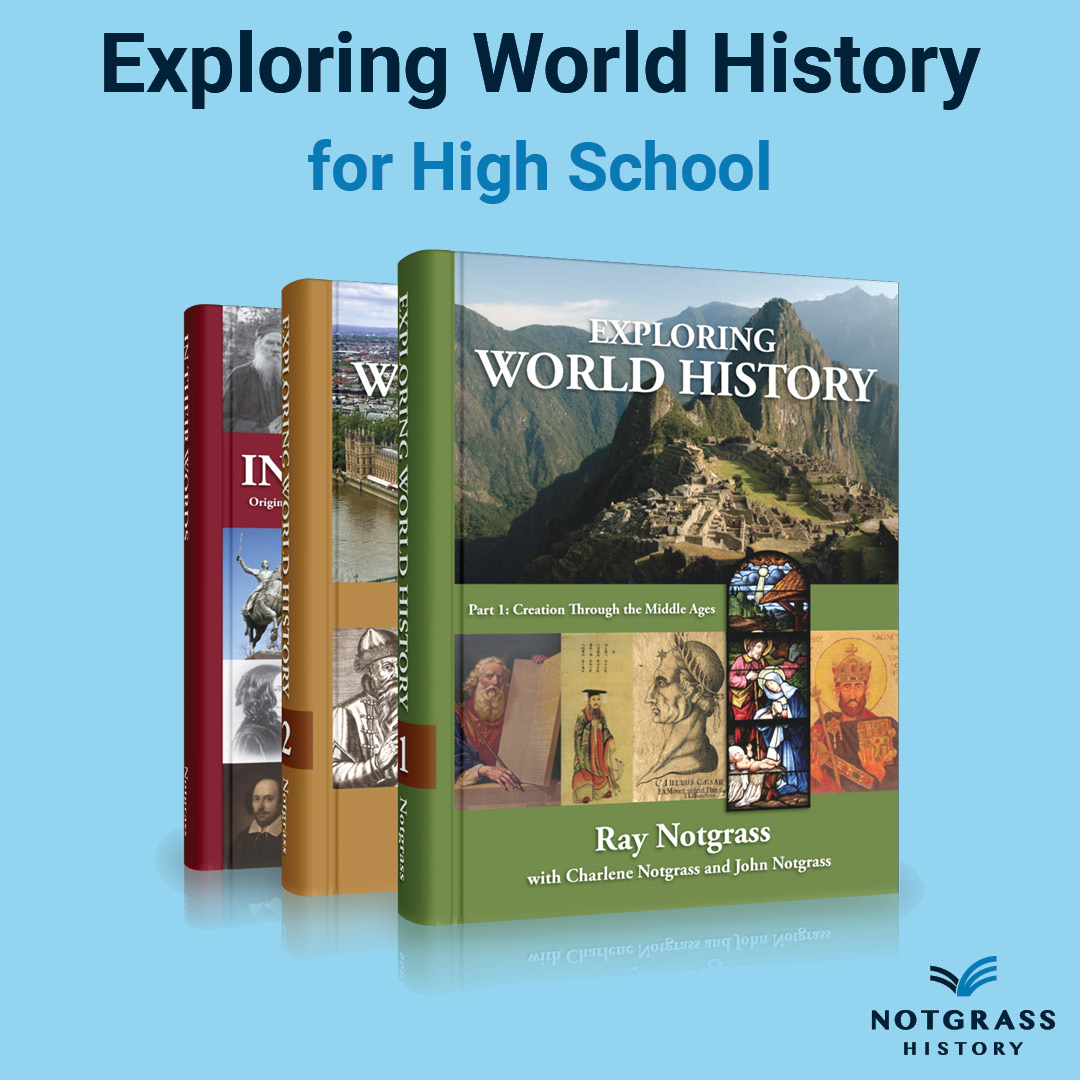
Recommended: Notgrass History Curriculum
- A New Perspective
- History
- Drama
- Poetry
- Philosophy
- Performing Arts
- The Art of Speaking
- Education of the Heart
- Resources
- Conclusion
A New Perspective
Looking back, I wonder what I was thinking, for today our home is filled with the humanities, and we wouldn’t have it any other way.
We’ve found so much application in our everyday lives from our study of the CLASSICS, of Latin and the Ancient Greek and Roman cultures.
Speaking of the classics–classical music is our preferred style of music. It is lively; it is soothing; it awakens our imagination.
We have enjoyed learning about Bach, Beethoven, Mozart, and other composers who composed music that, generations later, still stirs the soul.
ART. The art of the masters: de Vinci. Rembrandt, Monet, Michelangelo, van Gogh, John George Brown, Elizabeth Jane Gardner, and countless others. Their work is timeless and irreplaceable.
Recommended: Famous Artists of the Renaissance

History
My children, from a very young age, have had a deep love for HISTORY—reading living history, visiting historical sites, writing historical fiction, and selecting historical mentors, such as George Washington. The study of history has molded us into the individuals we are today.
Drama
Drama in our home can be summed up in one word:
Shakespeare.
Just last week my 11-year-old son said,
“Mom, will you print off a soliloquy for me. I want to memorize it while I’m in the shower.”
Far from being the Shakespeare fan that he and his sisters are, I gave him a blank stare for a moment, wondering what in the world he was talking about, then pulled myself together and said,
“Oh, sure, no problem!”
Within no time at all, he had that soliloquy memorized.
Acting in yearly Shakespeare plays are the highlight of my children’s school years.
Poetry
The poetry my children memorized when they were younger helped them discover the beauty of the written word. Rhythm. Meter. Alliteration. These things stay with a person for the rest of their lives. Poetry strengthens the mind and sensitizes the heart. Writing poetry helps to build character.

Philosophy
My children are obsessed (in a healthy way) with LAW AND POLITICS and PHILOSOPHY.
“Mom,” my son said to me a few years ago when he was eight, “I’m going to sleep in the girls’ room tonight (he has two older sisters) so we can talk politics until we fall asleep.” And talk politics they did!
This year they are learning about some wonderful men in history class. Not long ago, I asked my children and their friends, ages 11-16, who they were currently learning about in class. With great enthusiasm, they threw names at me all at once:
ALGERNON SIDNEY: “Liberty cannot be preserved, if the manners of the people are corrupted.”
BECCARIA: Widely considered the most talented jurist and one of the greatest thinkers of the Age of Enlightenment.
TRENCHARD AND GORDON: Cato’s Letters were essays by British writers John Trenchard and Thomas Gordon, first published from 1720 to 1723 under the pseudonym of Cato, the implacable foe of Julius Caesar and a famously stubborn champion of republican principles.
MONTESQUIEU: He is famous for his articulation of the theory of separation of powers, which is implemented in many constitutions throughout the world.
JOHN LOCKE: An English philosopher and physician, widely regarded as one of the most influential of Enlightenment thinkers and commonly known as the “Father of Liberalism”.
WILLIAM BLACKSTONE: “Free men have arms; slaves do not.”
PLUTARCH: “What we achieve inwardly will change outer reality.”
FRANCIS BACON: “Knowledge is power.”
CICERO: a Roman statesman, orator, lawyer and philosopher.
I have never heard of half these men, but my children have piqued my interest and I have begun studying them and their remarkable lives.
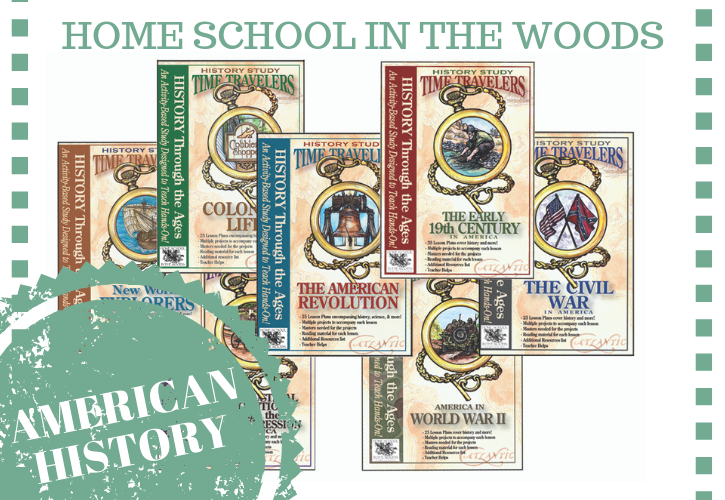
Recommended: Homeschool in the Woods History
Performing Arts
PERFORMING ARTS: Piano, dance, art, theatre. We enjoy it all!
We love every aspect of the humanities—especially the study of religion.

The Art of Speaking
Several weeks ago, I attended a holiday gathering where a grown man included a half dozen poems and stories in his 45-minute presentation.
Nothing captures the imagination of an audience and stirs the soul of a listener like a good, old-fashioned poem or story.
As I left the gathering, I thought to myself, “I hope my children will one day be like that man—strong in mind, with well-educated hearts.”
Unfortunately, these poems and stories—humanities in general—seem to be in short supply these days.
It’s time to bring them back.
Recommended: Loving Living Math
Education of the Heart
Lessons in math and science and technology and engineering work well to educate the mind.
What our society stands in need of is more education of the heart.
A well-educated heart is created by the study of the humanities.
Creating a life filled with the humanities is such an adventure!
The good news is that the power to create such a life lies within each one of us.
Humanities in your home will look different than it does in ours.
Resources
Unlike my college class days, we have countless humanities resources available at our fingertips:
Conclusion
Why not spend a few minutes today dabbling in the humanities?
Your heart will thank you for it.
Subscribe to receive inspirational posts in your inbox.
You may also enjoy:
How to Engage Children in Poetry Writing
Joan of Arc: Hope Springs Forth
Cicero and the Fate of America
—–
ART CREDIT: Independence Day by John Califano




 Salt Leaven and Light
Leave a comment